From Pain to Purpose: This is my "WHY"


My music has always been rooted in storytelling—but the truth is, the story didn’t begin with a stage or a spotlight. It began with survival.
As an LGBTQ+ individual, navigating the world has often meant learning how to exist in spaces that weren’t built with me in mind. That experience has shaped not only who I am, but how I show up as a leader, advocate, and creative professional.
Identity Is Not a Side Note:
For many LGBTQ+ individuals, identity isn’t a branding choice—it’s a lived reality. Long before I had any kind of public platform, I learned what it meant to be seen as “different,” often in ways that invited bullying, isolation, and misunderstanding.
Those early experiences didn’t just affect my confidence; they impacted my mental health, my sense of safety, and how I learned to navigate relationships and professional environments. Like many LGBTQ+ people, I spent years managing anxiety and emotional exhaustion while trying to appear “resilient enough” to keep going.
Mental health struggles don’t exist in a vacuum. They are often a direct response to environments that lack acceptance, protection, or representation.
Trauma Isn’t Always Visible—but It Is Transformative:
Trauma doesn’t always come from a single defining moment. Sometimes it’s the accumulation of being overlooked, silenced, or expected to minimize yourself to make others comfortable.
For LGBTQ+ individuals, trauma can show up through:
Persistent bullying or exclusion
Lack of institutional or community support
Feeling unsafe being fully authentic
Having your identity debated rather than respected
Discrimination in the workplace and/or educational environments
Over time, these experiences shape how you move through the world—and how you lead, connect, and create. LGBTQ+ individuals are also at a higher risk for certain traumas such as sexual abuse, domestic violence, and human trafficking. These are experiences I've personally been through and I aspire to help others who also have, as a way to serve as an empowering anchor and voice for those who often remain voiceless.
Why My Work Extends Beyond One Medium:
I didn’t turn to creativity simply to perform—I turned to it to process, to heal, and to communicate truths that didn’t always have space elsewhere. Expression became a tool for understanding myself and the world around me, not just an end product.
Today, my work lives at the intersection of:
Advocacy and lived experience
Community-building and storytelling
Creative leadership and social impact
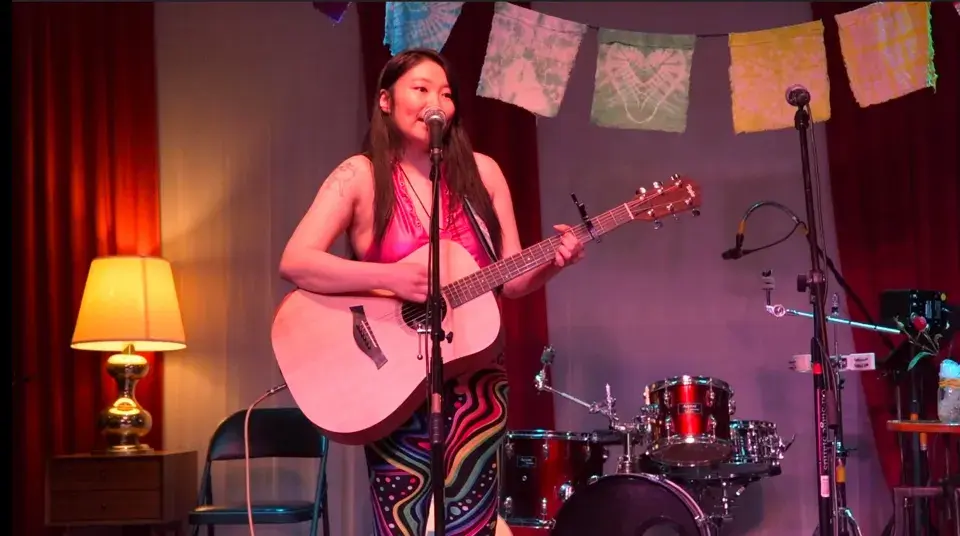
Whether I’m organizing collaborative events, performing, speaking openly about mental health and LGBTQ+ visibility, or creating spaces for dialogue and connection, the goal is the same: to help people feel seen, supported, and empowered.
This is why my personal brand extends beyond outputs or metrics. It’s rooted in values, impact, and meaningful connection.
Visibility as Responsibility:
With visibility comes responsibility—not to represent everyone, but to be honest about my own experience. I share my story not to center pain, but to normalize conversations around mental health, trauma, and identity in industries and communities that often prioritize image over wellbeing.
Still Here, Still Building:
I’m still healing. Still evolving. Still learning how to balance vulnerability with strength.But I’m also still here—creating, organizing, advocating, and building community.
My identity isn’t separate from the work I do. It informs it, strengthens it, and gives it purpose.And that purpose is what continues to drive everything forward.


Comments